The Big Five was not compiled by naturalists. It came from hunters, and the five were chosen because they were the animals most likely to kill you when wounded and pursued on foot. Buffalo is on the list for exactly that reason and for no other.
It has since become the checklist every first-time visitor arrives with, which is a shame, because it quietly sets up the wrong day. People who are collecting five animals spend a week disappointed by everything that is not one of them.
What the list gets right. Elephant and lion genuinely are the encounters that stay with people. A leopard in a sausage tree at dusk is worth the search. And rhino, for grim reasons, is now rare enough that seeing one is a real event.
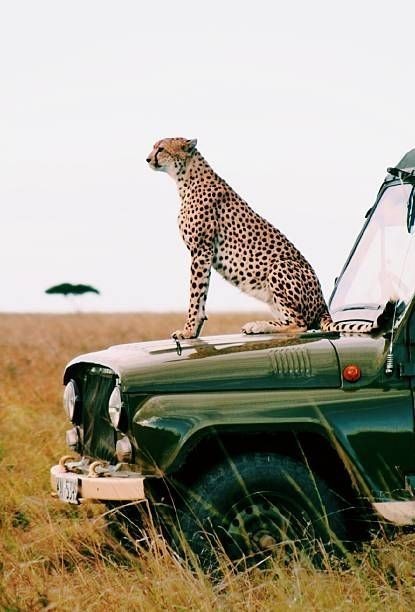
What it misses entirely. Wild dog, which are among the most compelling animals in Africa to watch hunt and which perhaps one visitor in ten sees. Cheetah, which are not on the list at all. Serval, caracal, honey badger, pangolin. The entire category of things that are not large mammals — the bee-eater colonies, the dung beetles, the fig wasps.
The buffalo problem. Buffalo are on every checklist and are the animal people are most disappointed to find. They stand in a herd and look at you. They are not doing anything. They are also, statistically, among the most dangerous animals on the continent, and if you have ever watched an old bull separated from the herd at close range with your guide quietly putting the vehicle in gear, you will not find them boring again.
A better frame. Ask your guide what is unusual about today rather than what is left on the list. The answer might be that a martial eagle has taken a monitor lizard, or that the pride has moved because a new male is around, or that the wildebeest are unusually nervous and something is wrong. That is the day you will remember, and none of it is on any list.
See the five if you can. Just do not measure the week by them.
Bereit, daraus eine echte Reiseroute zu machen?
Mit einem Guide sprechen