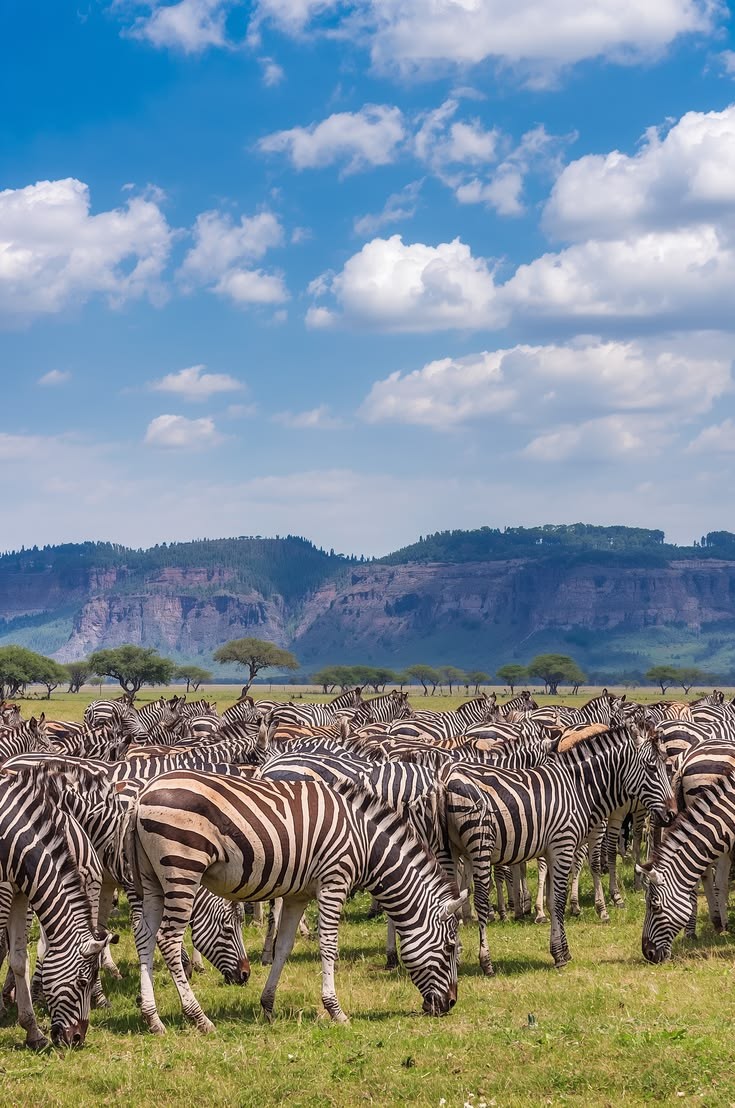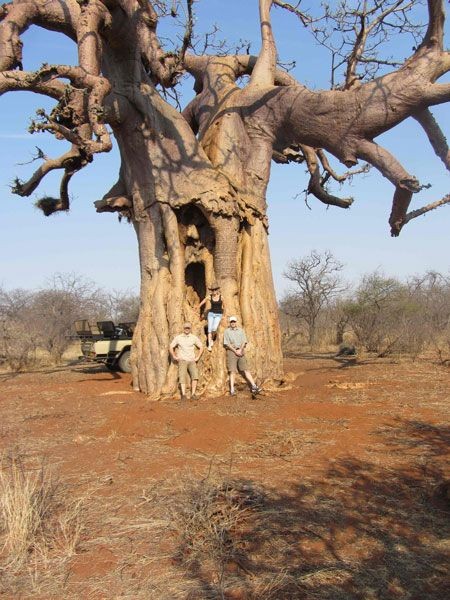
Almost everyone photographs too much on their first safari, and almost everyone comes home with the same set: distant animals in the middle of the frame, taken at midday, doing nothing.
Bring one long lens and stop worrying. Something reaching 400mm covers most of what you will want. A second body with a wide lens is a luxury; changing lenses in a dusty vehicle is not. If you are using a phone, accept that wildlife is not going to work and photograph landscape and camp instead, where phones are genuinely good.
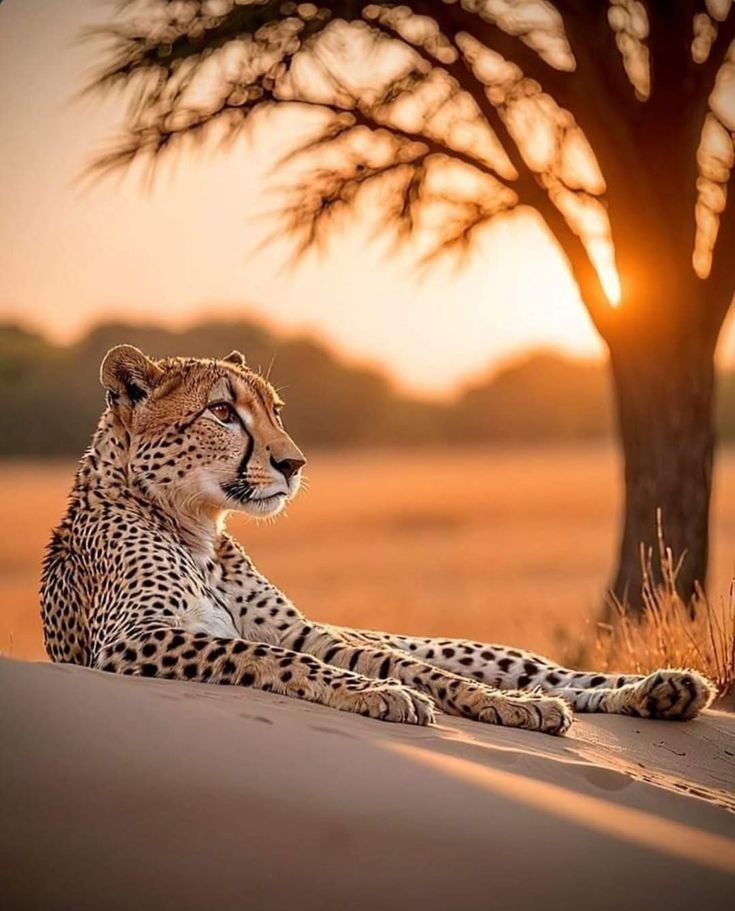
Shoot the edges of the day. The first and last hour are when the light is worth having and when the animals are moving. Between eleven and four you will get harsh light and sleeping cats. That is the time to put the camera down.
Turn the shutter speed up. A vehicle is never entirely still, animals move faster than they look, and the commonest ruined photograph is a soft one. 1/1000 as a habit for anything alive. Push the ISO to get there; noise is fixable and blur is not.
Ask for the angle. Guides will reposition the vehicle if you ask, and where you sit relative to the sun makes more difference than any setting. It is also worth saying if you want to wait — a sleeping leopard that might stretch in twenty minutes is a better photograph than five more species seen briefly.
Photograph the small things. Everyone has a lion. Almost nobody has a good photograph of a lilac-breasted roller taking off, a dung beetle at work, or the pattern on the back of a giraffe filling the frame.
What to leave alone. The kill, if it is upsetting you — watching through a viewfinder is a way of not being there. The first crossing you see at the Mara river. The sundowner. Your guide's face when the herd finally moves. Put it down for those; you have plenty of pictures already and you will not have the moment again.
Bereit, daraus eine echte Reiseroute zu machen?
Mit einem Guide sprechen