Mikumi does not get written about much, which is strange for a park you can reach from a city of seven million people in an afternoon's drive.
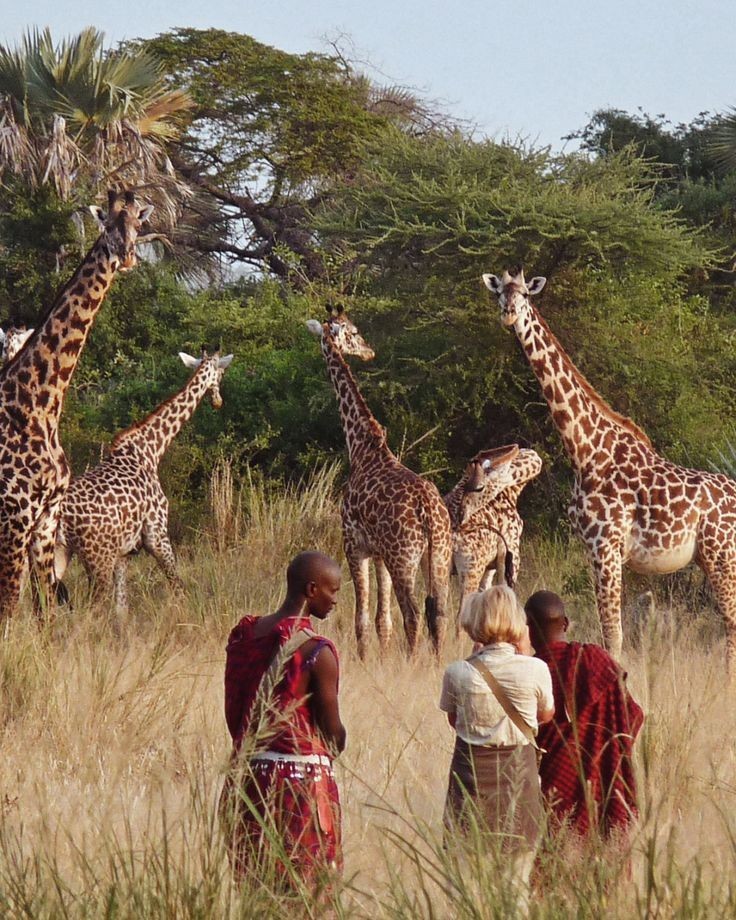
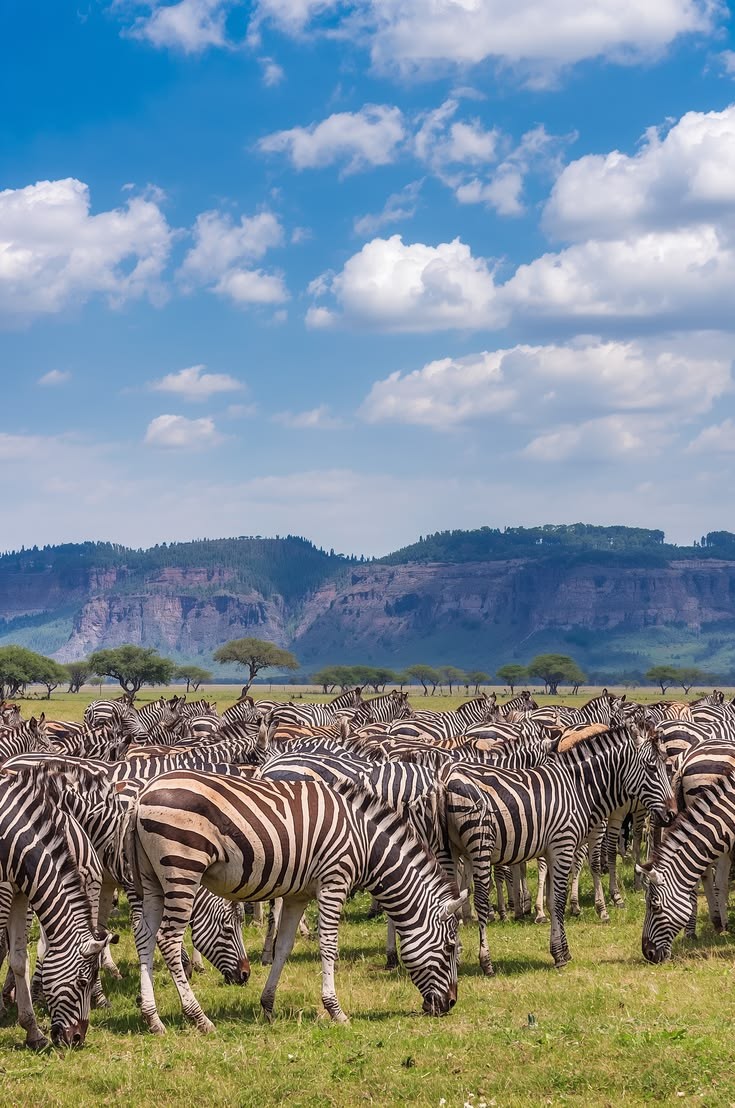
The Mkata floodplain is the heart of it: open grassland, scattered borassus palms, and a road network that keeps you in the productive part of the park rather than driving between it. Zebra, wildebeest, impala, buffalo and giraffe are close to guaranteed. Elephant are common. Lion are resident and seen on most trips, though not every one.
What three days gets you. Leaving Dar after breakfast on Friday puts you in the park for a late-afternoon drive the same day. Saturday is a full day — dawn until the light goes, with a long break in the heat when nothing much moves. Sunday morning is one more drive before the road home. That is roughly four game-viewing sessions, which is enough to see the floodplain properly.
What it does not get you. Rhino, which are not here. Cheetah, which are rare. A leopard, which would be luck. And it will not feel remote — the main highway runs through the park, and you will hear lorries at night from some camps. If untouched wilderness is the point, this is not that trip.
When to go. June to October is the dry season and the easy answer: the grass is short, the animals concentrate around water, and the roads are all passable. The green season from January to March is beautiful and much emptier, but the grass is high and the game is harder to spot.
Who it suits. People living or working in Dar who want a safari without a week of leave. Families testing whether a child will tolerate long game drives before committing to something expensive. Anyone arriving in Dar with a spare weekend before a flight home.
It is not the best park in Tanzania and nobody claims it is. It is the one you can be standing in tomorrow.
Prêt à transformer tout cela en véritable itinéraire ?
Parler à un guide