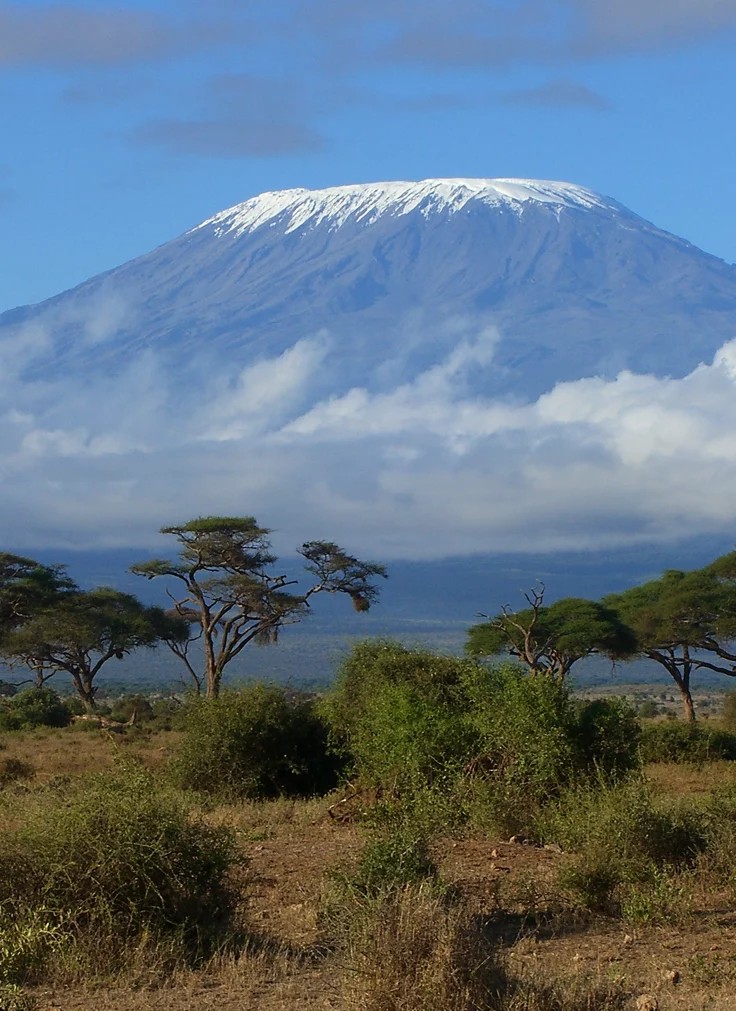
There are seven official routes up Kilimanjaro, but most climbers are really choosing between three trade-offs: scenery, crowd size, and how many days you give your body to acclimatize. Here's how we help guests decide.
Machame — The Balanced Choice
Machame is our most-booked route, and for good reason: strong scenery variety, a good acclimatization profile over 6–7 days, and a solid summit success rate for climbers in reasonable fitness. It's also one of the more heavily used routes, so expect company at camp.
- Typical length: 6–7 days
- Good for: first-time high-altitude climbers wanting a proven route
Lemosho — Quieter And More Scenic
Lemosho starts on the mountain's western side at Londorossi Gate, then climbs through rainforest onto the wide, open Shira Plateau before joining the main southern circuit toward the summit. That western approach is what sets it apart — the first two days are noticeably quieter than Machame, and the walk across Shira's high moorland is some of the most dramatic scenery on the mountain. The extra day or two over Machame also means a gentler acclimatization curve, which is part of why it tends to have a strong summit success rate.
- Typical length: 7–8 days
- Starts at: Londorossi Gate, western side
- Good for: climbers prioritizing scenery and lower crowds over trip length
Marangu — The Only Hut Route
Marangu is the sole route with sleeping huts instead of tents, which appeals to some climbers, but it also has the fastest standard itinerary and, correspondingly, one of the lower summit success rates. We generally steer guests toward a longer route unless time is the binding constraint.
The One Variable That Matters Most
Regardless of route, the single biggest factor in summit success is the number of days you spend acclimatizing, not physical fitness. We default every route we book to at least one extra acclimatization day beyond the minimum — it's the cheapest insurance on the whole climb.
Ready to put this into a real itinerary?
Talk To A Guide